
By Nikita Billier
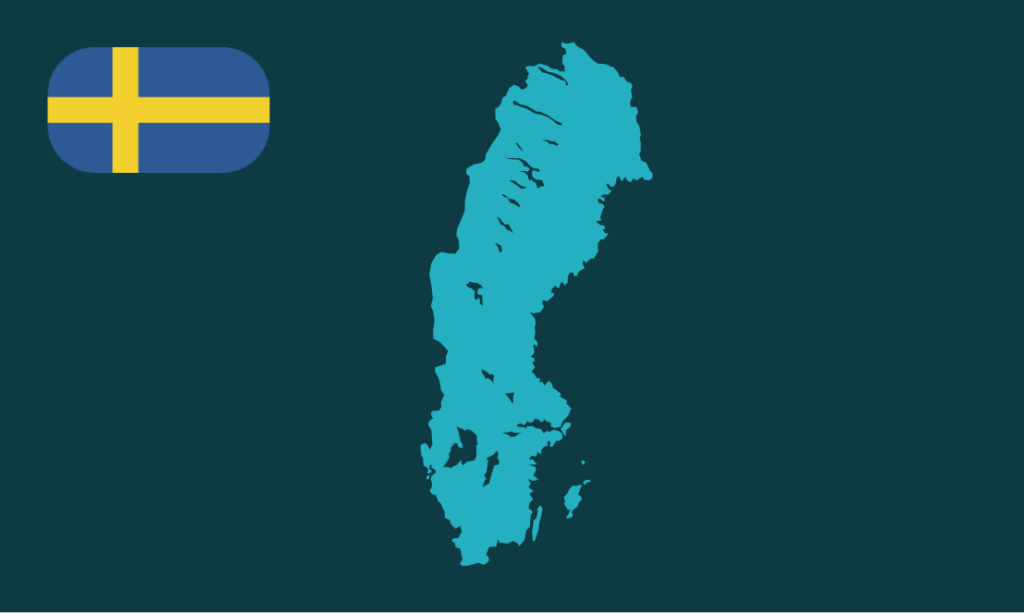
Sweden will hold general parliamentary elections on 13 September, with all 349 Riksdag seats contested. Regional and municipal elections will take place on the same day. The campaign has intensified ahead of the vote, influenced by Sweden’s proportional representation system and the four per cent parliamentary threshold. Electoral procedures are robust and voting is expected to be peaceful and efficient.
Backdrop
The 2026 election will likely focus on which political bloc can credibly form a stable government. The current centre-right coalition comprises the Moderates (M), Christian Democrats (KD) and Liberals (L), with support from the Sweden Democrats (SD) under the Tidö Agreement. It remains structurally fragile. The SD has significant influence on migration and integration policy. The Liberals face challenges in maintaining unity and remaining above the parliamentary threshold in the polls.
The opposition, led by the Social Democrats (SAP), has maintained a polling lead, although the gap has narrowed considerably in recent weeks. However, internal divisions remain. The Left Party (V) insists on joining a future coalition, while the Centre Party (C) opposes governing with them. These differences weaken the opposition’s negotiating position and complicate its ability to present a unified alternative.
Policy debates will likely reflect long-standing divides. The opposition will focus on the weak economy, cost of living and unemployment. Government parties will seek to shift attention to migration, integration and law and order, which they consider electoral strengths. Crime policy may become a key issue: the government highlights reductions in gun violence, while the opposition points to continued recruitment of minors into criminal networks and ongoing bomb attacks, linking these to cuts in preventive social services.
Foreign and security policy, despite heightened global tensions, United States (US) tariff pressure on Europe and Russia’s continued belligerence, is unlikely to dominate the campaign, given the broad political consensus. An exception may be the domestic resonance of the Israel–Palestine conflict, which could feature more prominently in public debate.
Leadership stability across the major parties is expected until election day, though significant turnover is likely afterwards. Party leaders in the losing bloc may face resignation pressure. Several long-standing figures, including the Sweden Democrats’ Jimmie Åkesson and Christian Democrats’ Ebba Busch, may choose to step aside after lengthy tenures or amid internal pressure.
Projected outcome and continental implications
A change of government is possible. The centre-left continues to hold a polling lead, although the race has tightened considerably in recent weeks. For the right, the Liberals’ performance is crucial. If they narrowly miss the four per cent threshold, a centre-right majority could become unattainable.
Regardless of the outcome, Sweden is expected to maintain continuity in its approach to European Union cooperation, Nordic security integration and support for Ukraine. However, the internal balance of power, especially the influence of the Sweden Democrats if the right remains in office, could affect Sweden’s position in EU debates. Key topics include migration, rule of law, integration and long-term budget planning.
